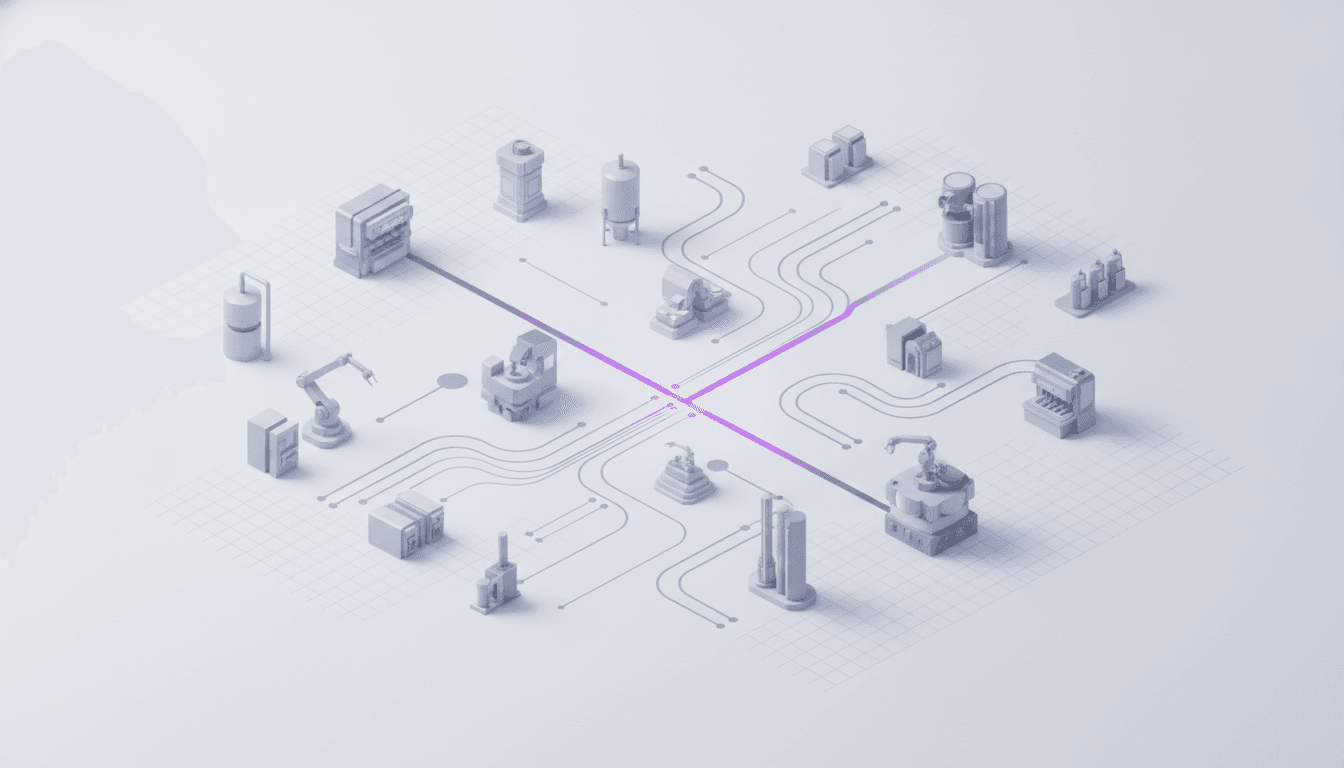
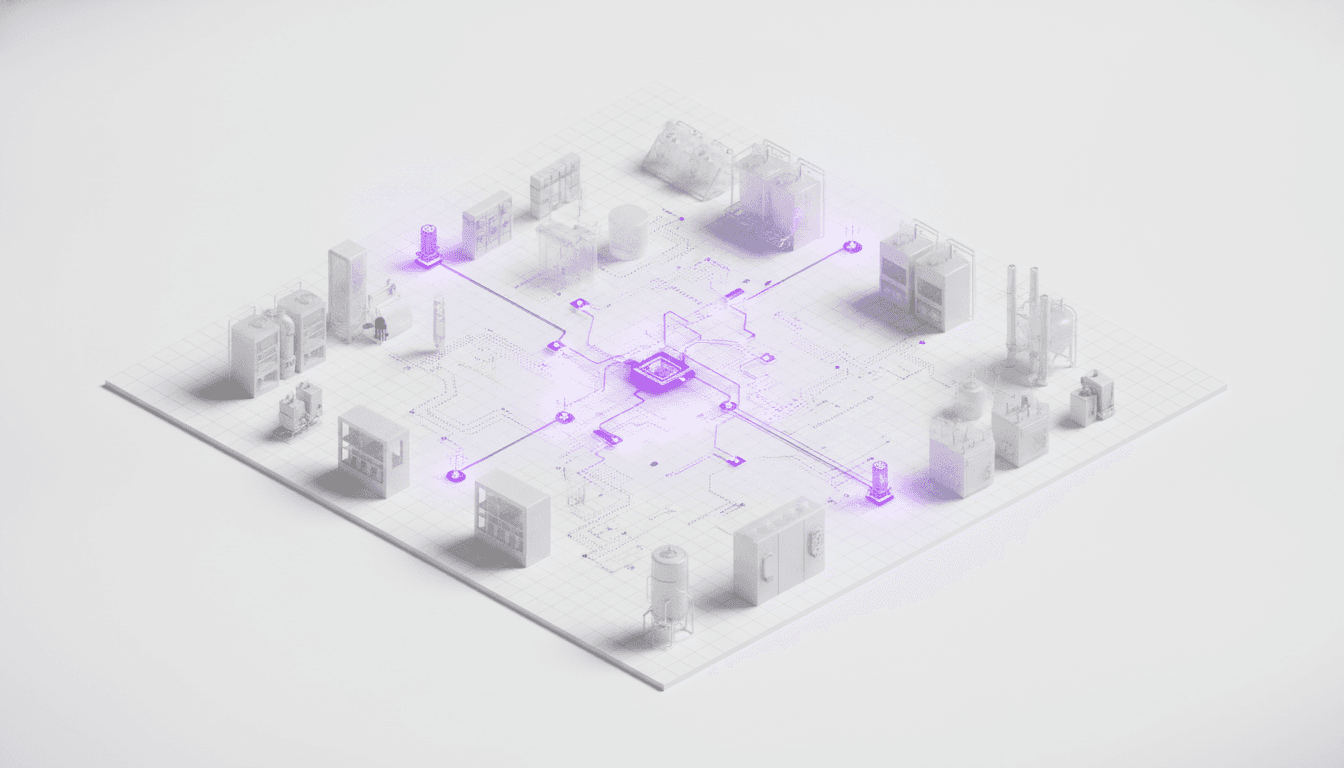
From paper to paperless: a roadmap that survives contact with the plant

Almost every plant that still runs on paper knows it should not. What stops the programme is rarely a disagreement about the destination — it is that the first version of the plan tries to get there in one move, and the estimate that comes back makes the whole thing look like a capital project rather than an operational improvement.
The programmes that finish are the ones sequenced by two questions asked in order: where is the risk highest, and where does the payback arrive soonest. Those two rarely point at the same place, which is exactly why the order matters.
Why the big-bang rollout stalls
A single cutover across every process area concentrates all the risk in one weekend, needs every stakeholder aligned at once, and requires a validation package that covers the entire scope before anything goes live. It also gives operations no chance to learn on something small.
The subtler cost is credibility. A programme that spends nine months delivering nothing visible spends its political capital before it spends its budget. By the time the first area goes live, the people who have to adopt it have already formed an opinion.
Sequence so that something real is working within a quarter. Everything after that is easier to fund and easier to sell.
Phase one: the readings nobody disputes
That "something real" is usually where data is already written by hand and nobody defends the current process: environmental readings, utilities, equipment conditions. Connecting these tends to be the least invasive first step on the floor, because it does not touch PLC or recipe, and it produces a visible result quickly. It is not an ownerless step, though: alarms, calibration and response still need a procedure and an owner.
Writing those readings to a process historian rather than a dashboard is the decision that makes the rest of the roadmap cheaper: every later phase reads from a source that already exists, with asset context already defined.
What goes wrong here: the team treats it as an IT deliverable and skips the context modelling. A thousand connected tags with no asset hierarchy are a second data silo, not a foundation.
Phase two: the highest-risk manual record
With the readings in the historian, you can go where the risk actually is. In most plants that is the batch record — the electronic batch record replaces the document where transcription errors cost the most and review is slowest. Weighing and dispensing usually comes next, because it combines material identity with a manual calculation.
This is the phase that changes how people work, so it is the phase that needs operations involved in design, not only in training. A procedure enforced by a system that nobody on the floor helped design gets worked around within a month.
What goes wrong here: digitising the paper form as it exists. A form that made sense on paper usually carries workarounds for the limitations of paper. Rebuilding those in software keeps the problem and adds a licence fee.
Phase three: connect the two
The two previous phases only pay off properly when they meet. The value that justifies the whole programme appears when the execution record stops asking someone to type a value that a system already knows. In-process controls read the measurement from the historian, with its origin timestamp and quality; the operator confirms rather than transcribes.
This is also what makes review by exception credible. The reviewer can look only at what deviated because the system, not a person, decided what counted as a deviation — and because the values it judged were captured, not typed.
Where validation fits
None of this stands without validation, and the most common structural mistake is treating it as a gate at the end of each phase. In practice it is cheaper as a constraint at the start of each one: the requirements that data integrity and ALCOA+ impose are architectural, and a system that cannot meet them is not fixed by documentation. Our note on computerised system validation under GAMP 5 covers how to keep that effort proportionate to risk rather than to page count.
A roadmap you can defend to a steering committee
Put in sequence, the roadmap looks like this:
- Connect the undisputed readings. One quarter, visible result; alarms, calibration and response still need a procedure and an owner.
- Model the asset hierarchy. Low visibility, and the single decision that most affects later cost.
- Digitise the highest-risk manual record, in one process area — not the whole site.
- Wire process data into that record, so values are referenced rather than typed.
- Extend area by area, reusing the same context model and the same validation approach.
- Only then consolidate reporting and analytics, on data that is finally worth analysing.
Each step is independently useful, and that is the property that lets a programme survive a change of sponsor or a bad quarter. A roadmap whose value only arrives at step six is a roadmap that gets cancelled at step three.
The systems behind these phases sit in our digital compliance and manufacturing execution solutions, with weighing and dispensing as the usual second record after the batch record itself.
Practical writing on GxP, MES, data integrity and shop-floor systems. A few times a month, no noise.