Insights
Notes on digital manufacturing, compliance and the NEO platform.

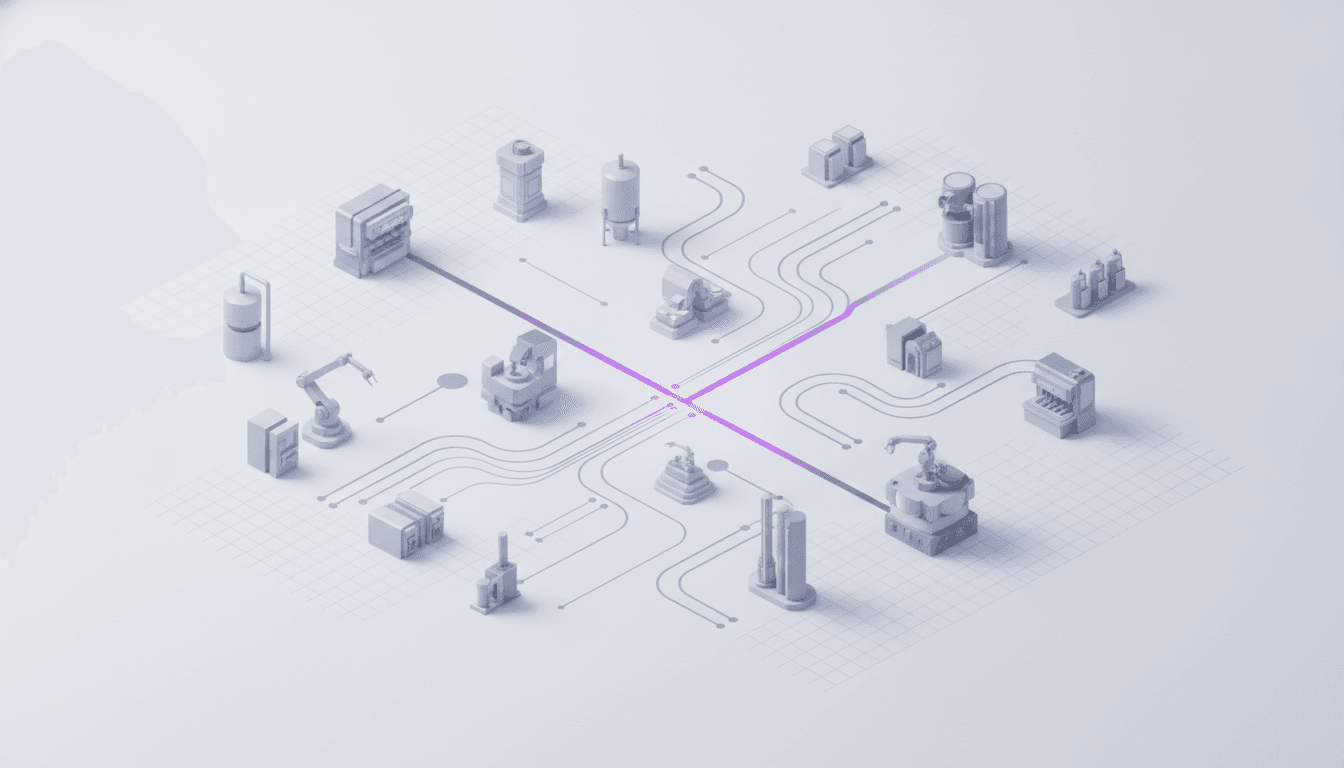
ICH Q12: CMC lifecycle with a change map
Every plant knows the situation: a small process improvement—a slightly narrower range, an alternate site, an analytical adjustment—and the regulatory schedule starts setting the pace of operations. Variation, regulatory submission, review queue, and validation that seems to reopen more than necessary. Some of that burden is real and necessary. Some of it comes from not…
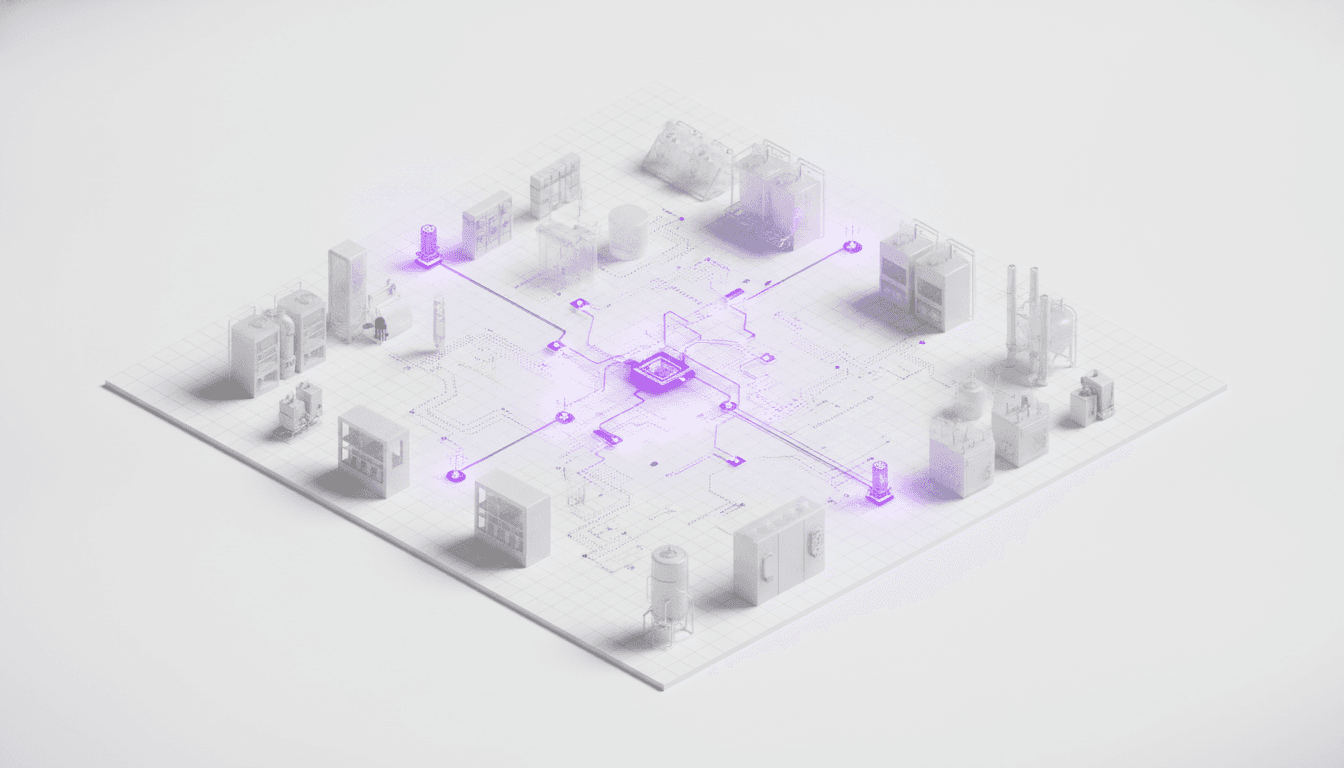
ICH Q8/Q11 → floor: design space in EBR/MES
Design space and control strategy only hold on the floor if EBR/MES enforces what development registered — the registered range is not a shift suggestion.
ICH Q10: the PQS is not an org chart
Per ICH Q10, the PQS is the set of flows management and the system enforce across the lifecycle — not folder drawings and boxes on a chart.
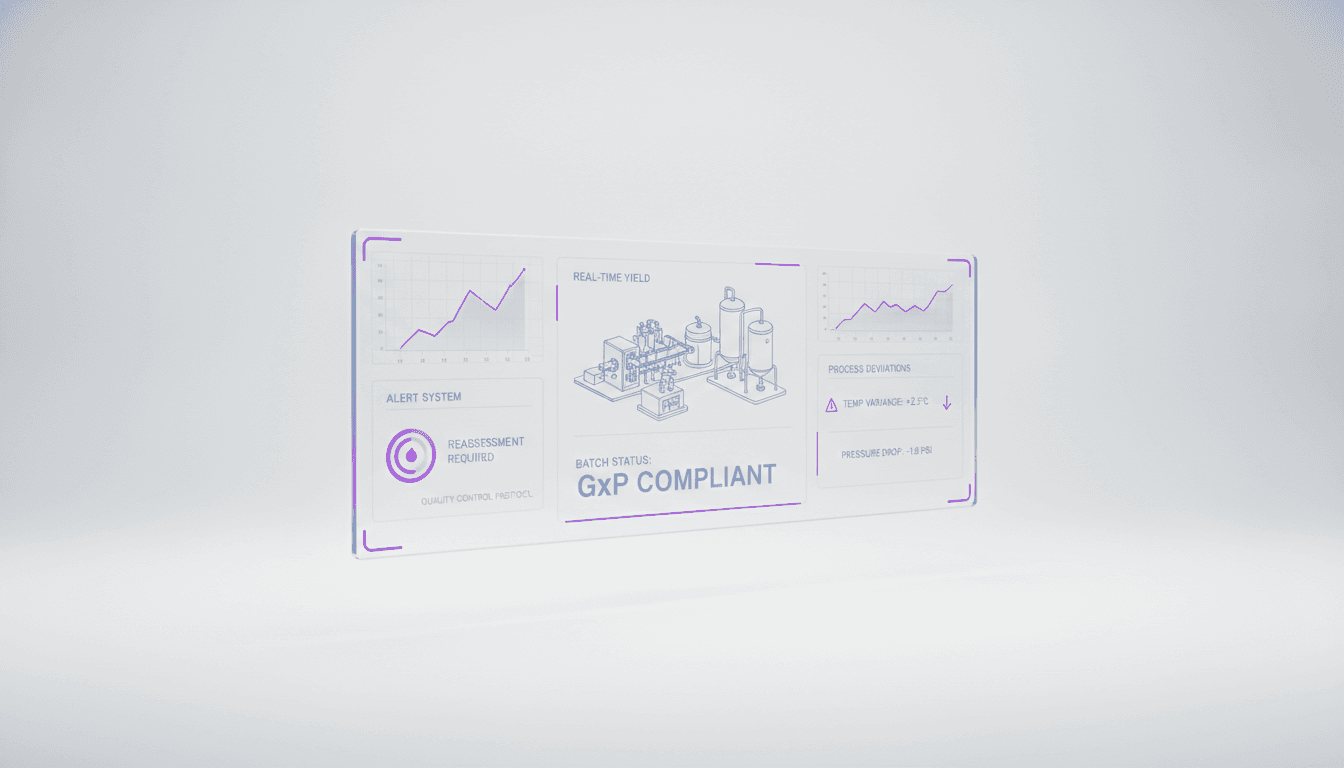
ICH Q9: written risk ≠ managed risk
A risk protocol in the archive does not manage risk. Management starts when change and deviation reopen the assessment in the system of record — ICH Q9(R1) on the floor.

Open door: the disturbance HVAC feels first
In a dry solids room, three independent sensors tell the same story: the door knocks ΔP down in seconds, humidity rises in minutes, and temperature barely moves.
Resource readiness is control, not a checklist
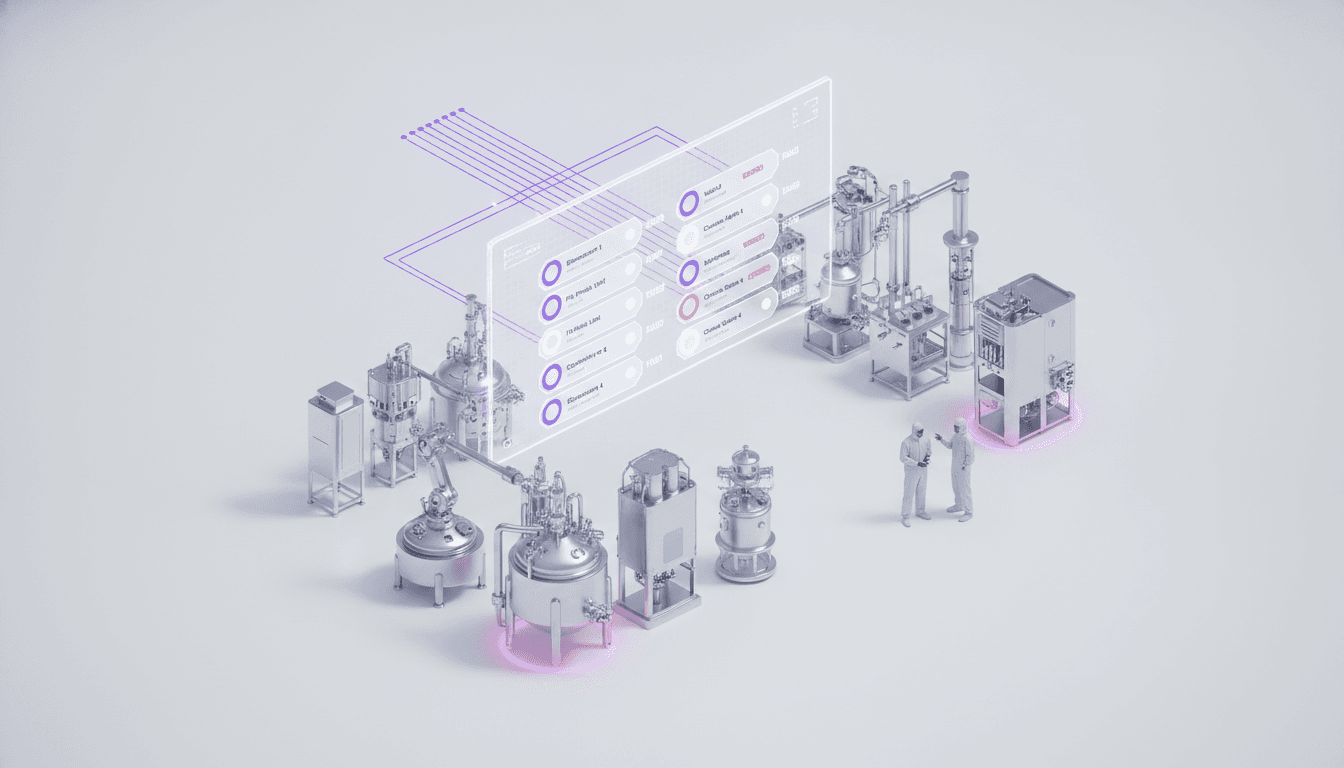
On-time calibration, valid cleaning, and a qualified person only protect the batch if the system can stop the start when any of them has already failed.

Holding time: the study sets the limit; the routine is where it fails
RDC 658/2022 (art. 274) requires stability of intermediates and bulk. The real cost shows up when the limit exists in the report and disappears on the shop floor.
The electronic batch record: enforcement, not just the removal of paper
An EBR that only replaces paper buys very little. The value is a process enforced while it runs — and that has design costs worth understanding before you specify one.
Computerised system validation without the paperwork spiral
GAMP 5 asks for effort proportional to risk, yet most validation packages scale with page count instead. What a risk-based approach changes in practice, and what it does not excuse.

Connecting the shop floor: which signals to start with, and why
You do not need to replace the installed base to get a connected plant. A sequencing argument for industrial IoT: which signals earn their connection first, and what each protocol is actually for.

Review by exception is an outcome, not a setting
Reviewing only what deviated is the standard promise of an EBR business case. It is achievable — but only once the system can be trusted to decide what counts as a deviation.

Weighing and dispensing: the step you cannot undo
Most manufacturing errors can be caught downstream. A wrong material in a vessel usually cannot. That asymmetry is why dispensing earns enforcement before almost anything else.

Environmental monitoring: the excursion is the product, not the reading
Any system can log a temperature. What separates them is what happens on the day a cold room drifts — and whether the record can still answer for it two years later.
OEE that means something: definitions before dashboards
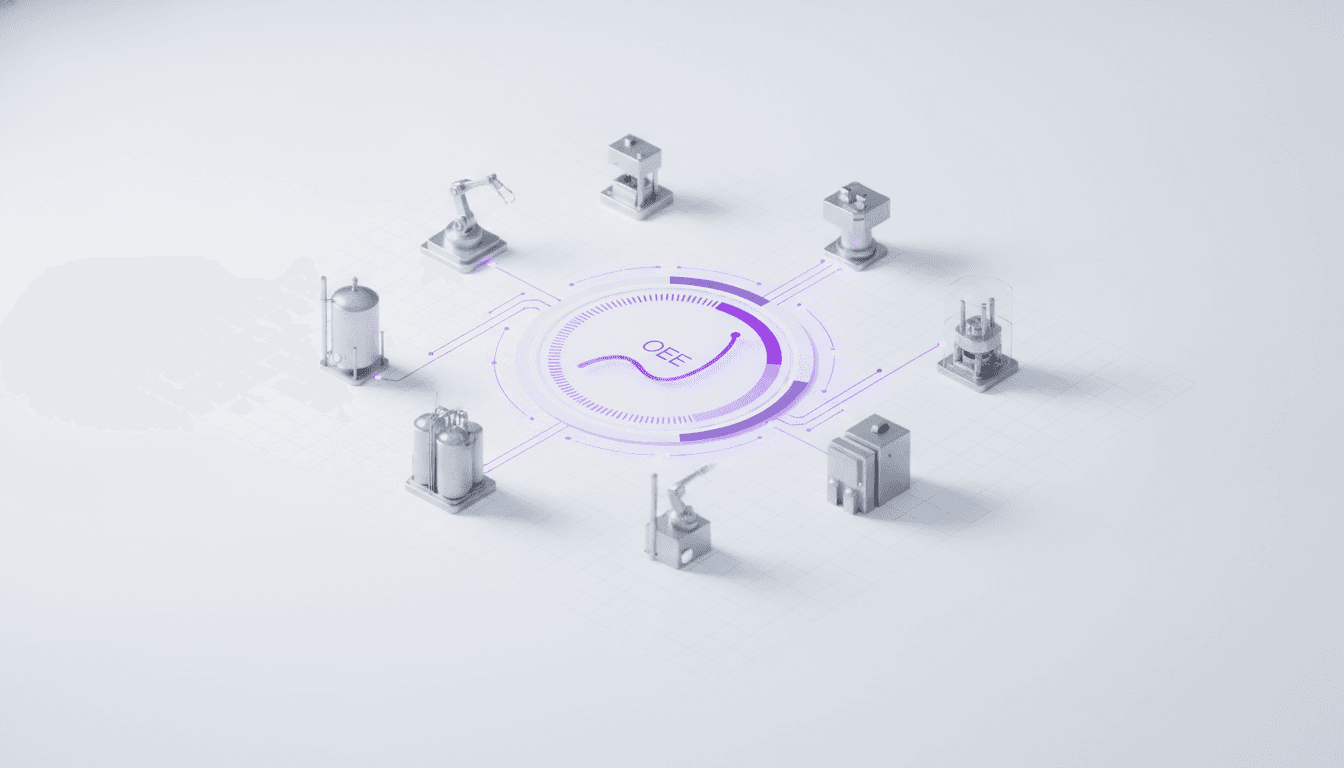
An OEE figure is a statement about definitions as much as about performance. If yours went up while output did not, the definitions moved — and the number stopped being useful.

From paper to paperless: a roadmap that survives contact with the plant
Digitisation programmes rarely fail on technology. They fail on sequence. A roadmap ordered by risk and payback, with what actually goes wrong at each step.

ALCOA+ in practice: what data integrity actually demands of your systems
ALCOA+ is quoted in every audit and understood in few. A principle-by-principle walk through what each one demands, the failure modes inspectors actually find, and where system design decides the outcome.