Insights
Notes on digital manufacturing, compliance and the NEO platform.

Complete batch record before review, not during it
The record does not always reach review blank. Often it arrives almost complete: the equipment used in one step is not identified, a weighing was entered at the end of the shift, a verification signature was left for later, an in-process result was copied by hand from a printout. Each gap looks small. Together they leave quality review reconstructing what happened instead of checking what was…

ALCOA+ on the floor: the reviewed record has to be what the plant generated
On the floor, a data integrity failure does not always start with a missing lab checklist. The shift generates injections, instrument printouts, equipment logbook entries and sampling records. The dossier that goes forward for release can show something else: injections that are missing, a copy instead of the original, raw data that does not match the batch record or the certificate of…

AI by risk tier: assist is not a GMP decision
On the floor, the failure mode is rarely "someone used AI". It is quieter: a generative suggestion for a deviation narrative, a cleaning hold, or a critical process parameter is treated as if it were already a GMP decision. The shift closes. The batch record moves. A responsible, trained person sees a polished text, not the gap between assist and decide.

Annex 22 is still a draft. Here's what you can already do with AI in GMP
The draft EU GMP Annex 22 (public consultation July–October 2025) does not ban AI on the shop floor. It separates where a model may decide from where it may only assist. Here is what you can put in place now, without rework when the final text lands.
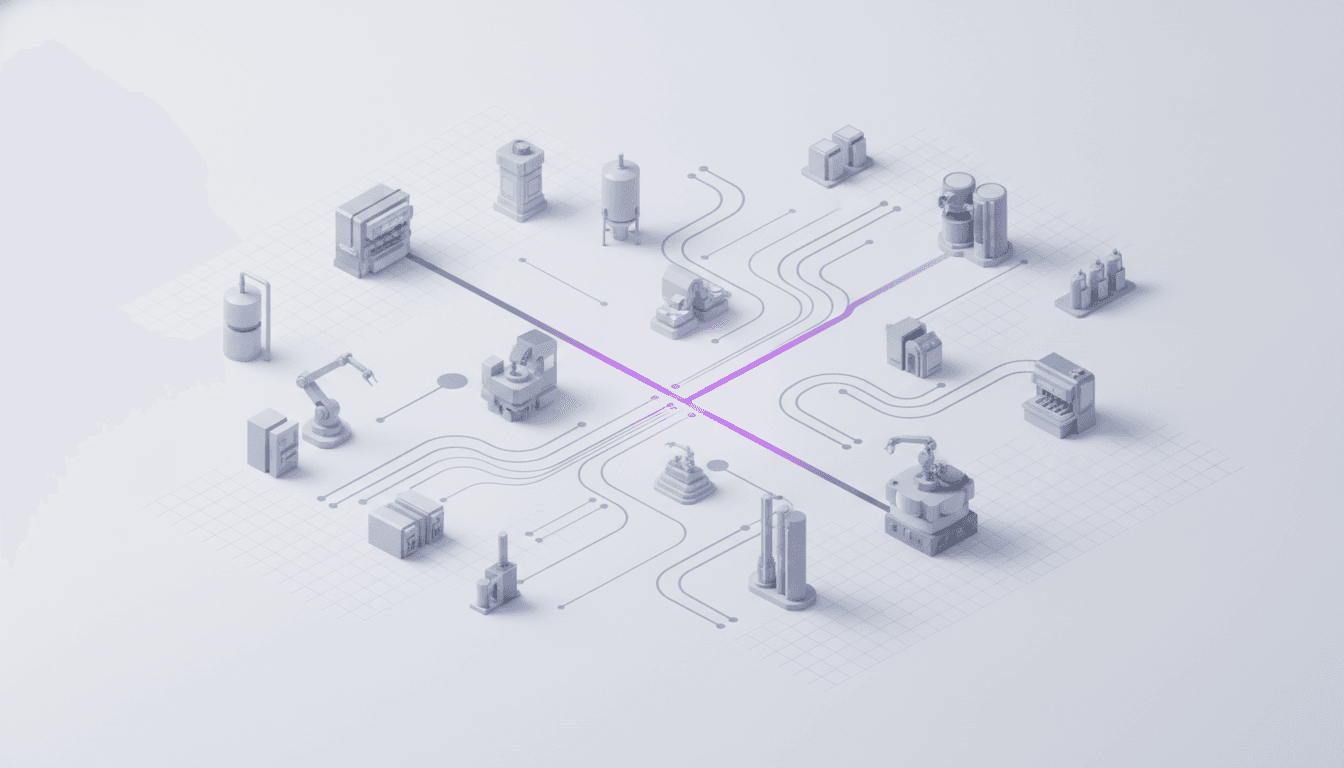
ICH Q12: CMC lifecycle with a change map
Every plant knows the situation: a small process improvement—a slightly narrower range, an alternate site, an analytical adjustment—and the regulatory schedule starts setting the pace of operations. Some of that burden is real and necessary. Some of it comes from not separating established conditions from supporting information.
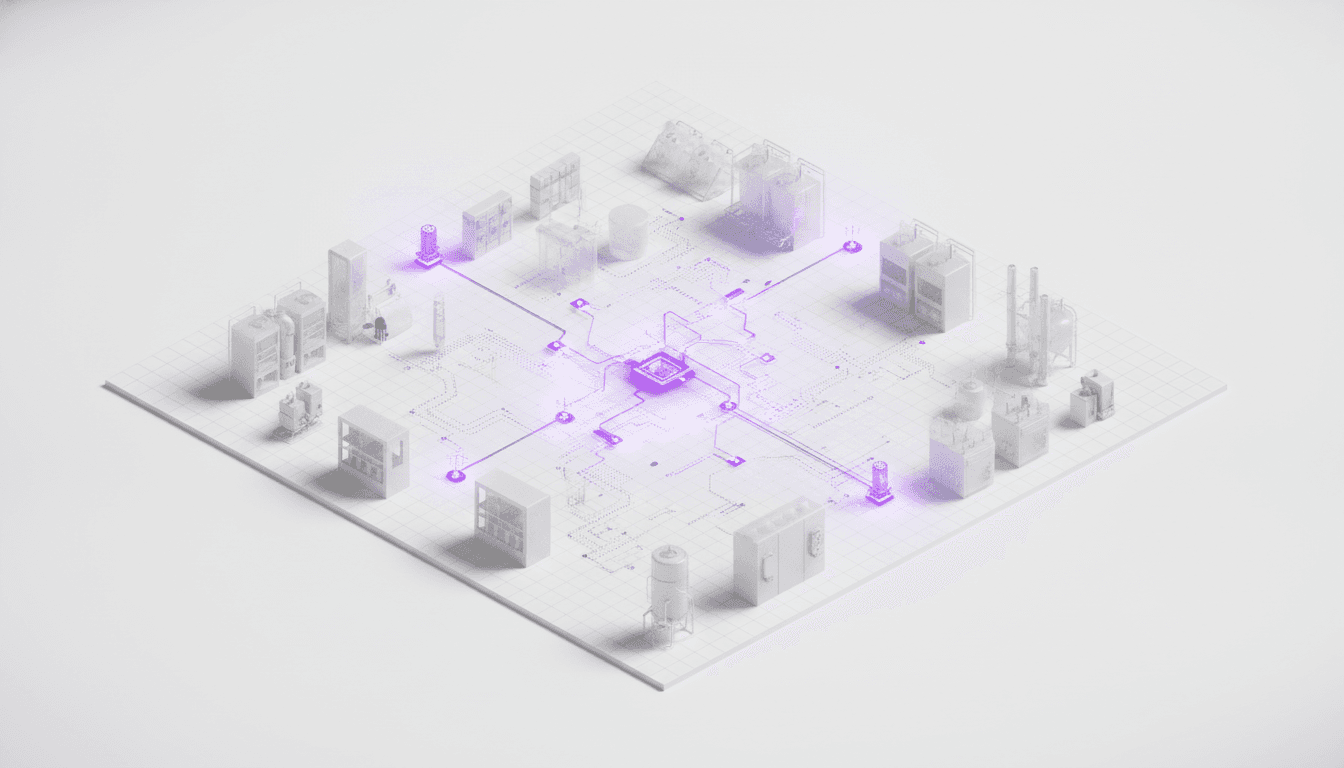
ICH Q8/Q11 → floor: design space in EBR/MES
Design space and control strategy only hold on the floor if EBR/MES enforces what development registered — the registered range is not a shift suggestion.
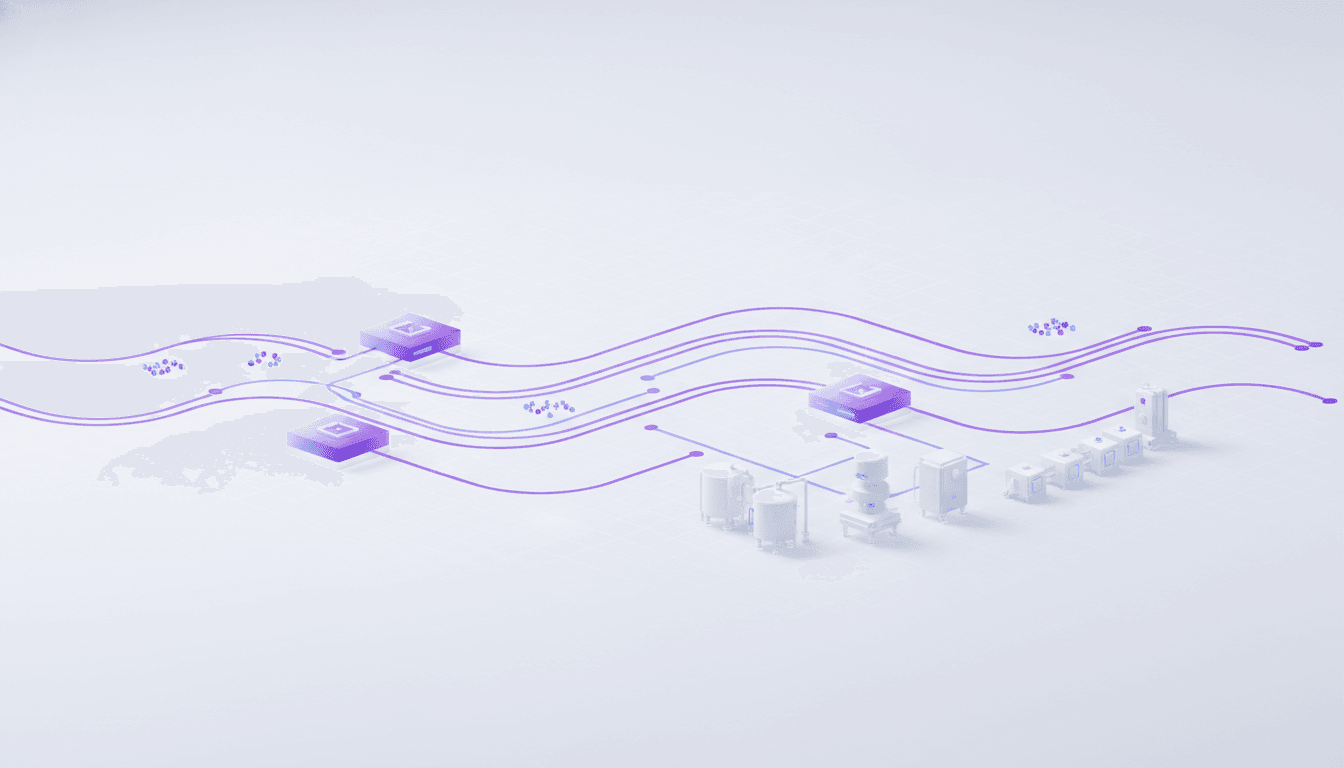
ICH Q10: the PQS is not an org chart
Per ICH Q10, the PQS is the set of flows management and the system enforce across the lifecycle — not folder drawings and boxes on a chart.
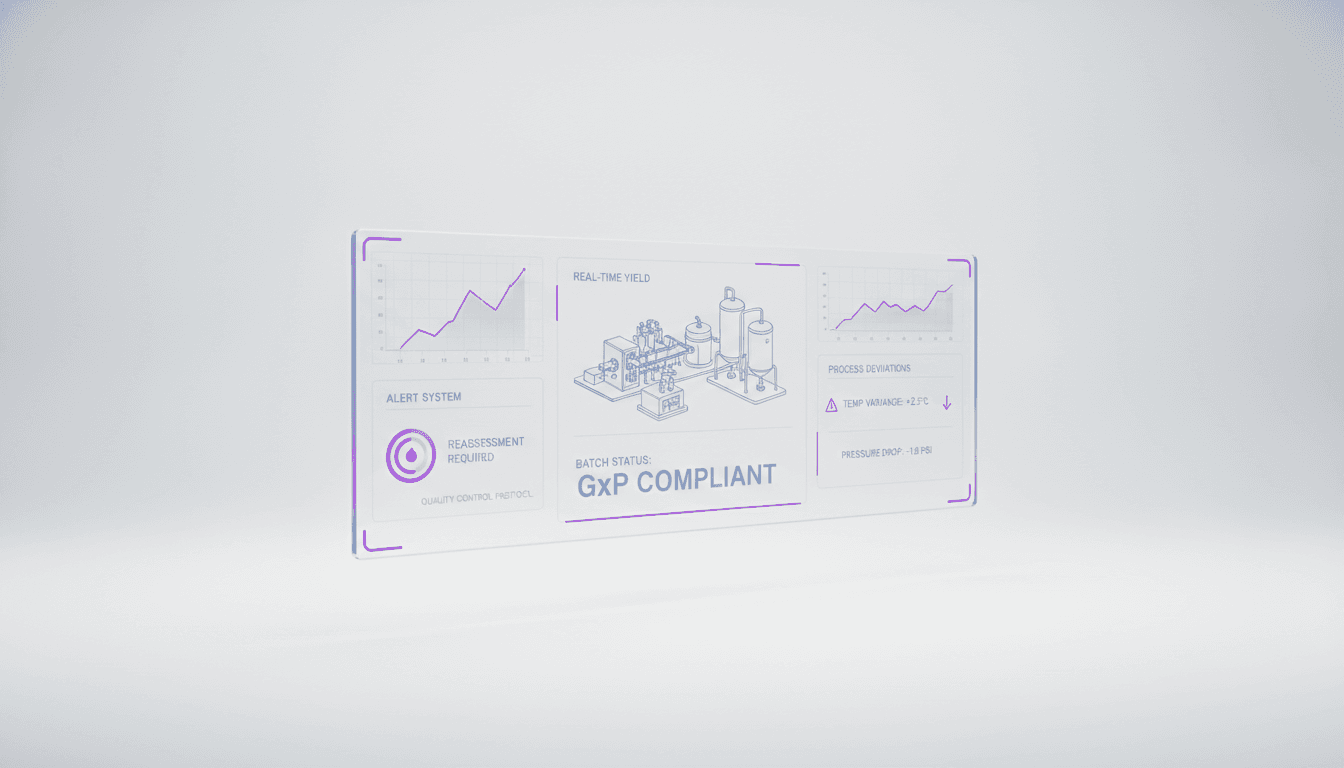
ICH Q9: written risk ≠ managed risk
A risk protocol in the archive does not manage risk. Management starts when change and deviation reopen the assessment in the system of record — ICH Q9(R1) on the floor.

Holding time: the study sets the limit; the routine is where it fails
RDC 658/2022 (art. 274) requires stability of intermediates and bulk. The real cost shows up when the limit exists in the report and disappears on the shop floor.
The electronic batch record: enforcement, not just the removal of paper
An EBR that only replaces paper buys very little. The value is a process enforced while it runs — and that has design costs worth understanding before you specify one.
Computerised system validation without the paperwork spiral
GAMP 5 asks for effort proportional to risk, yet most validation packages scale with page count instead. What a risk-based approach changes in practice, and what it does not excuse.

ALCOA+ in practice: what data integrity actually demands of your systems
ALCOA+ is quoted in every audit and understood in few. A principle-by-principle walk through what each one demands, the failure modes inspectors actually find, and where system design decides the outcome.